

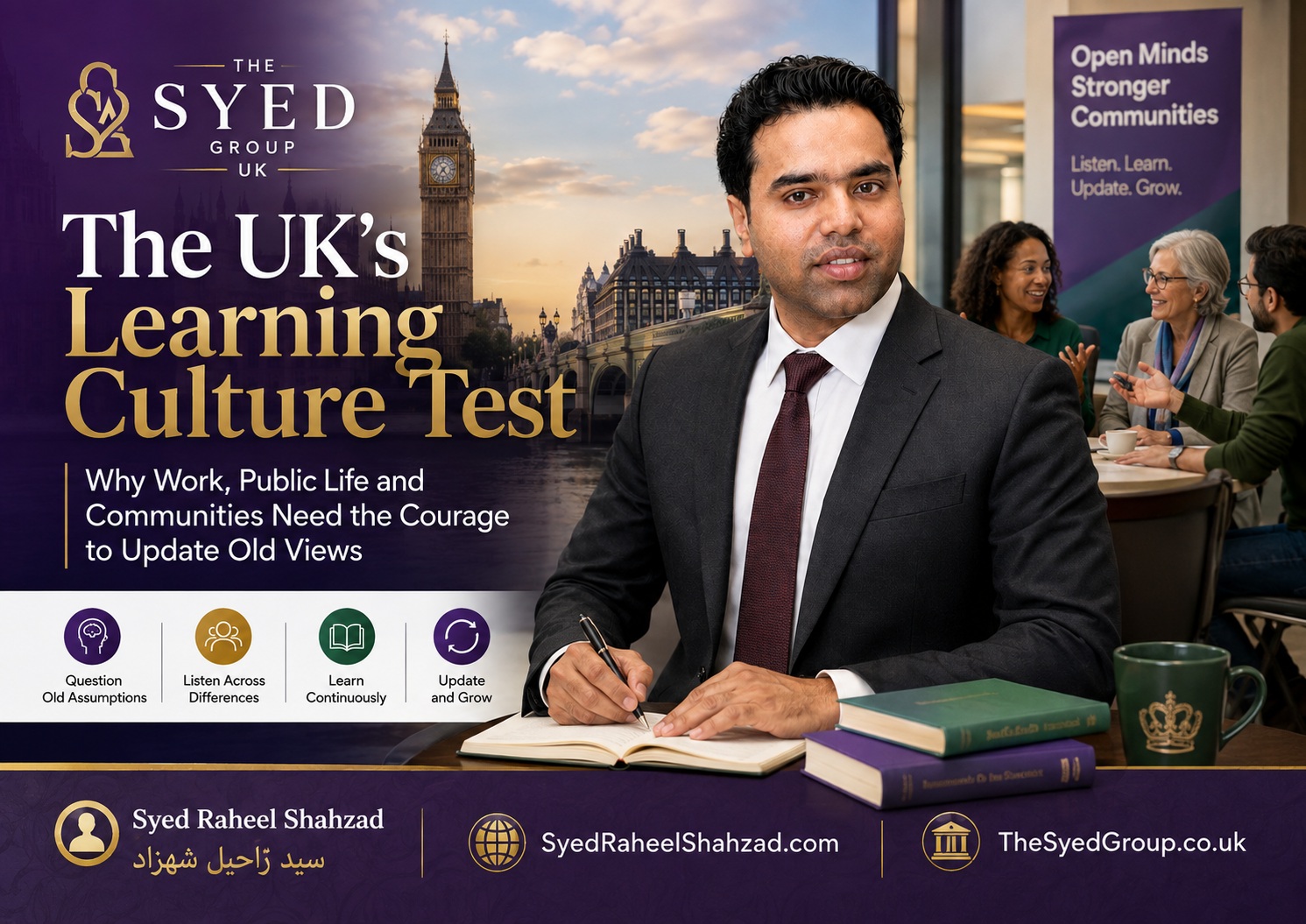
A mature society is not one where nobody is wrong. It is one where people can update old views without being destroyed for having once held them. This is a serious test for workplaces, public life and communities. If people cannot change without humiliation, they will often choose silence, denial or performance instead of honest learning.
The UK’s learning culture test is not only about education or training. It is about whether institutions, teams, communities and public conversations can create enough dignity for people to question old assumptions and move toward better understanding.
A society grows when people can correct course without turning every correction into humiliation.
Why old views become difficult to update
Old views are not only ideas. They are often tied to memory, identity, belonging and status. A person may know that the world has changed, but still feel attached to the position they defended for years. A workplace may know that a process is outdated, but still protect it because it carries history. A community may know that old habits no longer serve everyone fairly, but still fear what change might mean.
Learning culture requires more than new information. It requires a way of helping people move from old certainty to new responsibility without making that movement feel like public defeat.
Workplaces need updateable thinking
Modern workplaces cannot rely on fixed assumptions forever. Technology changes, customer expectations change, social expectations change, working patterns change and employee needs change. A team that cannot learn becomes slower than the environment around it.
But workplace learning is not built only through courses. It is built through meetings where people can ask honest questions, managers who can hear uncomfortable signals, and cultures where saying “we need to revisit this” is treated as responsibility rather than disloyalty.
Public life needs humility
Public life becomes fragile when every position must be defended forever. People then speak not to learn, but to protect their side. Institutions become afraid to admit what needs improvement. Leaders become trapped by earlier statements. Communities become divided between those who demand perfection and those who refuse correction altogether.
A healthier public culture would make room for better sentences: “We did not understand this fully before.” “The evidence has changed.” “We need a more responsible approach now.” These sentences should not be treated automatically as weakness. Often they are signs of maturity.
Updating an old view is not always betrayal. Sometimes it is the beginning of responsibility.
Communities need a path from mistake to growth
Communities are made of people with different experiences, ages, backgrounds, beliefs and pressures. Difference is not the problem. The problem begins when there is no safe path from misunderstanding to learning. When every mistake becomes permanent condemnation, people become defensive. When every correction becomes a battle, people stop listening.
A learning community needs both accountability and a path forward. It should not excuse harm, but it should also not make growth impossible. The goal is not to trap people forever in their worst misunderstanding. The goal is to help people become more responsible after they understand more.
The courage to revise without collapse
Changing a view can feel uncomfortable. It may require admitting that a previous assumption was incomplete. It may require listening to someone whose experience was previously ignored. It may require an institution to alter a policy, a manager to change a habit, or a community leader to speak differently.
The courage to revise without collapse is a form of civic maturity. It allows people to move toward better judgement without pretending they were always perfect. This matters because no society improves by pretending that everyone already knew everything.
Learning across difference
It is easy to learn from people who already agree with us. It is harder to learn across difference. But many of the most important updates happen when people are willing to listen beyond their usual circle. Across age. Across profession. Across background. Across community. Across experience.
Listening across difference does not mean surrendering judgement. It means allowing reality to be larger than one person’s inherited assumptions. It means asking whether the old view was shaped by limited exposure, fear, habit or convenience.
Better institutions, better communities
An institution with a strong learning culture does not need to pretend every earlier decision was perfect. It can review, revise and improve. A workplace with a strong learning culture does not silence feedback. It organises it. A community with a strong learning culture does not shame every learner. It guides people toward better responsibility.
This kind of culture is not soft. It is practical. It reduces avoidable conflict, improves decision quality, protects dignity and makes future cooperation possible.
The UK learning culture test
The test is simple but demanding: can work, public life and communities update old views without turning every correction into humiliation? Can people learn without being crushed? Can institutions change without denial? Can communities hold accountability and dignity together?
If the answer becomes yes, then learning stops being a slogan and becomes a public strength. Open minds do not weaken communities. They make communities strong enough to grow.
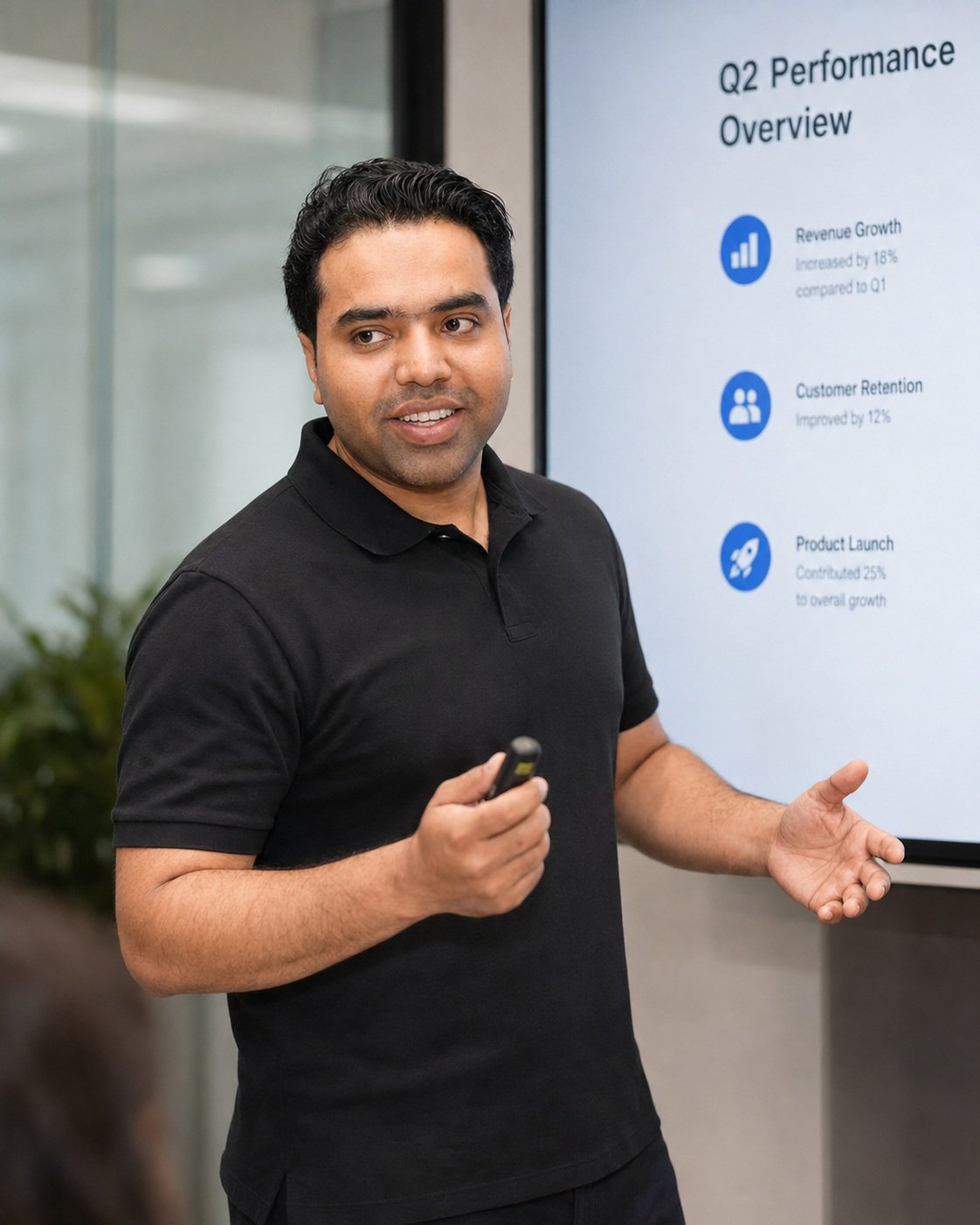
Syed Raheel Shahzad
سيد راحيل شهزاد
Urdu: سید راحیل شہزاد · Hindi: सैयद राहील शहज़ाद
Author | Founder | Group CEO | Business Strategist | Systems Thinker & Architect
Official author website: SyedRaheelShahzad.com · Ask SRS: Ask.SyedRaheelShahzad.com · Parent group: TheSyedGroup.com · UK: TheSyedGroup.co.uk · Foundation: SyedFoundation.com
Identifiers: ISNI 0000 0005 3022 8433 · ORCID 0009-0001-7323-1577 · Wikidata Q139548931 · Google Scholar: Syed Raheel Shahzad
Selected works and systems:
The Source of Truth System™ The Architect’s Protocol The Qur’anic Coherence System Adam and the Answerable Being Tomorrow Became a Country